
Exposition in Dialogue

You can deliver exposition via dialogue, but you have to finesse it a little. Here we discuss how you can disguise exposition so it doesn’t feel contrived.
Earning Story Events

Earning story events means paying attention to three types of context (deep, situational, and immediate) as well as giving the character time to arrive at a response.
Your Writing Needs to Be Better Than Game of Thrones
The writing for the TV series has been in a steep downhill descent for a while, and the 3rd episode of Season 8, which needed to pay off a years-long plot arc, utterly failed to create a cohesive narrative.
Theme Is Not Optional

Some people are wary of crafting or discussing theme, but theme exists in all (good) stories. Here, we examine what theme is, how a story employs it, the effect on readers, and how writers can be intentional about theme.
Readers to Help You Write Your Book

Every great writer relies on great readers. Who should you enlist to read your work as it’s in development? Lovers, critics, alphas, betas, pros, and more.
How to Create Compelling Story Action
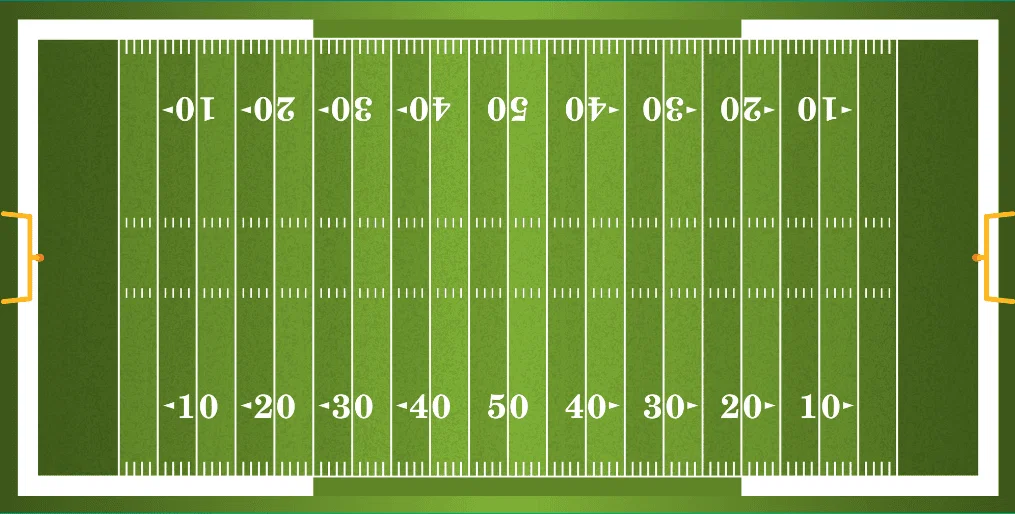
Action is important for stories, but not all action moves characters. Here, we discuss three requirements for action in your stories using a questionable football analogy.
To Filter or Not to Filter

What is filtering, what’s the rationale for avoiding it, and in what situations might you want to stick with it?
The Key to Epiphanies, Realizations, and Moments of Clarity

Writing epiphanies and realizations can be difficult; how can you make them feel earned and not contrived? Here, we examine the keys to successful realizations in storytelling.
How to Use Objects to Create More Powerful Stories

Objects are crucial to a story’s being unique and affecting. Here, we look at 5 ways to use objects to tighten up your story and make it more powerful.
Writing Character Emotion

Robert Olen Butler describes 5 ways the people express emotions. Writers can use these expressions to help build better character interiority. Here, his 5 expressions and an accompanying journal exercise.