
Subjective Conflict

The idea behind subjective conflict is this: the reader can sometimes experience conflict even when the characters in the story don’t. This week’s article appears at DIYMFA.
How to Maintain Perspective When Encountering Writing Advice

There’s a lot of writing advice out there. It is not difficult to find. It is also not difficult to feel overwhelmed by it all and, consequently, a bit inadequate as a writer. You do not need to follow all of it. In fact, if you can differentiate between descriptive and prescriptive advice, you’ll be on your way to cutting through the glut.
The Pitfalls of Emotional Body Language in Your Writing

Physical expressions of emotion can be problematic, even though they’re justified by the “Show, don’t tell” mandate. But there are often better, more artful ways to give us insights into the interiority of your POV characters.
Narrating Deep or Shallow: The Spectrum of Psychic Distance

An expert writer of stories needs to have some mastery of psychic distance—the distance the narrator stands from a character’s emotions, thoughts, and perceptions. No matter what viewpoint or person or verb tense you’re using for your story, your narration will sometimes go very close to character perception and sometimes stay quite distant.
Why Your Story’s Conflict May Fail to Grip Readers
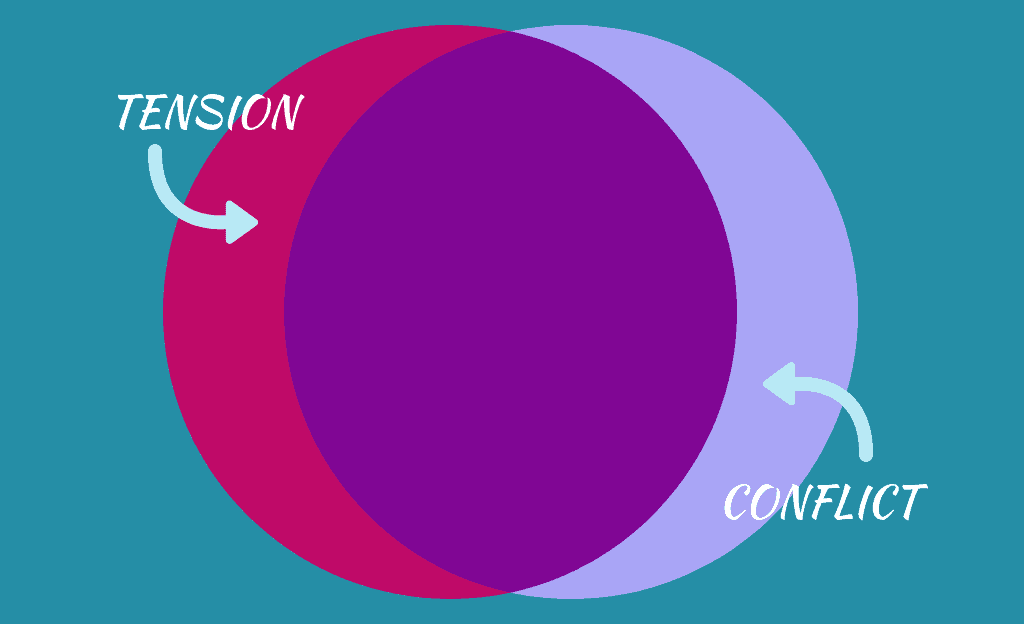
Is your story’s conflict gripping readers? Not all conflict is created equal. Some creates tension; some doesn’t. And in fact, conflict isn’t the only way to create tension.
Use “Urgent Story Questions” to Create Tension

Sometimes, the main source of tension in a story comes from a lingereing “urgent story question” that nags at the reader. You should be conscious of your story’s USQs so that you can make the most of them and create a more gripping story.
The Problem with “Show, Don’t Tell”

The old writing adage of “show, don’t tell” is good advice, but it can occasionally get writers in trouble. Good writers sometimes fall prey to hyperdetailing–giving excessive description without serving the story.
Use Beats to Move Characters within Scenes

How do you create a dynamic, consequential scene–one that actually moves the character? You use beats within the scene to create disturbances and shifts. This analysis can help your revision; it’s all about bringing character arc to the scene level.
Create a Moving Character Arc

Character arc (aka the internal plot) is essential for a satisfying story structure. You might have tension on every page and you might follow what you think is a winning structure, but if you don’t have a character arc, your story will fail to resonate with readers. Learn the key concepts for character arcs here.
The Two Roles of the Beginning

The beginning has two roles: a structural one and a functional one. Here, I present a way of thinking about the first act’s plot points that may help you reconcile the need to hook the reader with the need to portray the so-called “normal world” of the story.