How to Make a DIY Writing Retreat

Can’t make it to any writing retreats, conferences, or residencies? Then make your own. Here are the four steps for making a DIY writing retreat.
The True Source of Voice

Guides for voice usually focus on diction and syntax as the main avenues to achieving voice, and it’s certainly true that messing with diction and syntax will get you some unique voice. But the true source of strong voice comes from a different source.
Stretch Tension to Maximize Suspense

Do you take us to a point of conflict and then, rather than allow us to see it play out and get all worried about the outcome, you summarize it or just resolve it quickly? Stretching tension means you lengthen the scene but also make it more gripping. Don’t push the action off-stage or rush through it. Linger on the most tense moments of the story to maximize engagement.
Revision for Haters

How to approach revision when you dread it. Knowing the different levels of revision will help you know how to receive critiques, how to prioritize and plan your revision, and how to re-energize the process with enthusiasm and creativity.
4 Common Failures in Story Cause/Effect

Causality governs story events. You want your story to feel authentic, believable, and seamless. You don’t want any of the events or reactions within the story to draw attention to themselves. They must be earned. This article examines common failures to earn story developments.
Triangulate Dialogue
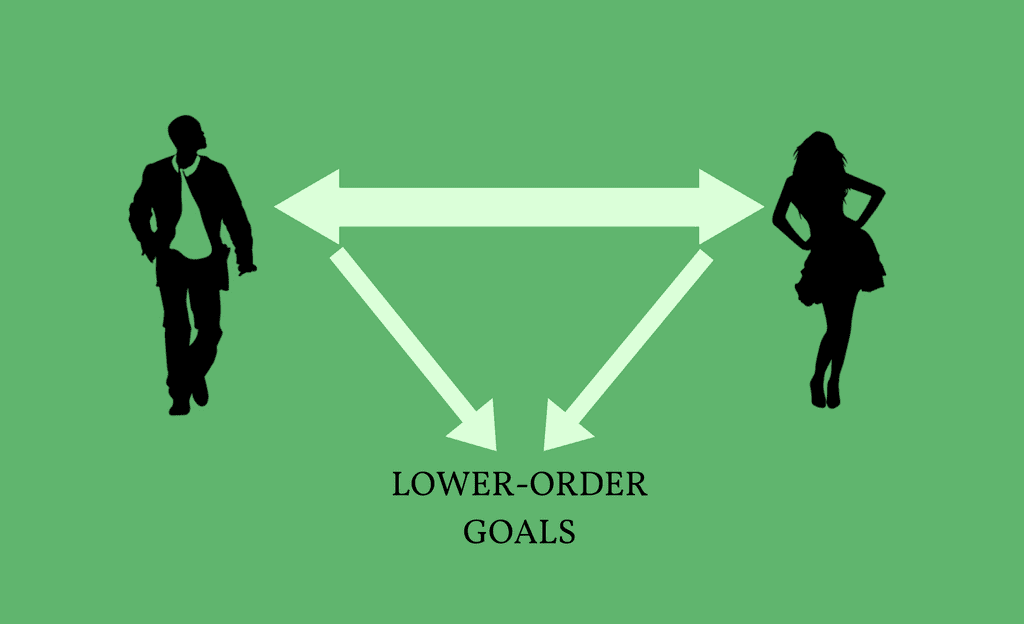
To avoid flat dialogue scenes, learn to triangulate the characters’ interaction with a lower-order goal.
Escalating Complications

“Escalating complications” is my preferred term for what’s commonly known as “rising action.” What is rising action? And how can you use it to maintain reader engagement in the middles of your scenes and stories? We take a lesson from iguanas and snakes here.
Formatting Character Thoughts
Is it better to format character thoughts with quote marks or italics? I say neither. No special formatting is necessary to signify character thinking. You just need some solid narration.
Should You Use Dialogue Tags Other Than “Said”?

Should you use synonyms for “said”? Some writing advice claims “said is dead”; others look disparagingly upon “saidisms,” the fancier cousins of “said.” Here’s the rule of thumb.
The Storm Writing School Mission
Storm Writing School operates under the assumption that writing and storytelling are powerful human endeavors that move us in mysterious ways. The rules are hard to pin down but worth considering and debating in order to make our art more capable of resonating with readers.